

The Compliance Landscape in High-Risk Industries: Regulatory Requirements and the Risks of Non-Compliance
Mining, oil & gas, road freight, and rail are industries where safety failures are unforgiving. In the US, these sectors operate under some of the strictest compliance frameworks in the world. Certifications, permits, and training records aren’t optional — they are the backbone of safe and compliant operations.
But compliance is complex. Multiple regulators oversee different requirements, and even a single missed certification can result in fines, shutdowns, or serious safety incidents. Understanding the compliance landscape — and the risks of falling short — is the first step toward building proactive, resilient operations.
The US Compliance Landscape
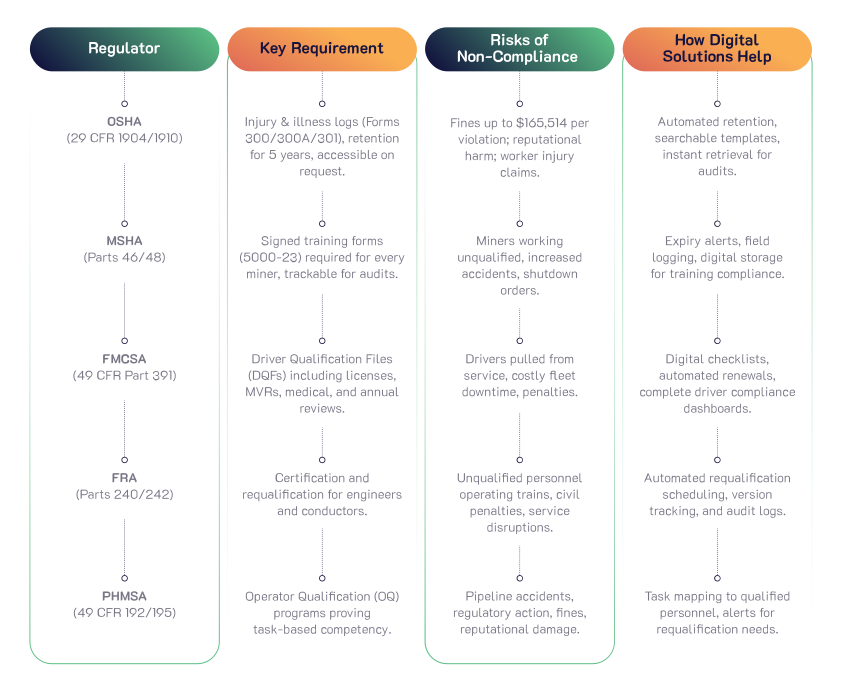
Five major regulators set the rules for high-risk industries:
The Rising Cost of Non-Compliance
The price of non-compliance keeps climbing:
- OSHA penalties for serious violations are $16,550 per case, while willful or repeated violations can cost up to $165,514 each.
- Non-compliance costs US companies an average of $14.82 million annually, nearly three times the $5.47 million cost of compliance.
- Downtime costs 44% of enterprises more than $1 million per hour, excluding legal costs or reputational fallout.
- In 2023, the FRA issued over $15 million in penalties to US railroads for safety and compliance violations.
Risks Beyond the Dollar
Non-compliance is not just about fines. The real risks include:
- Safety incidents: Missing or lapsed certifications can put unqualified workers in safety-critical roles.
- Operational shutdowns: Regulators can halt operations until compliance gaps are resolved.
- Reputational damage: Compliance failures erode trust with regulators, investors, and customers.
OSHA notes that companies with strong compliance programs reduce injury and illness costs by 20–40%.
Why Manual Tracking Falls Short
Many organizations still depend on spreadsheets or paper binders for certification tracking and permit management. These methods are:
- Error-prone: Missing signatures, outdated versions, or misplaced files.
- Reactive: No alerts before certifications lapse.
- Inefficient: Audit preparation can take weeks, slowing operations.
Digital platforms solve these issues with ERP safety software that centralizes certification tracking, provides automated alerts, and creates audit-ready records.
Moving Towards Proactive Compliance
The US compliance landscape demands more than box-ticking. It requires proactive systems that anticipate risks before regulators uncover them.
Proactive compliance for mining, oil, gas, and freight includes:
- Automated alerts before renewals lapse.
- Centralized, role-based repositories for all compliance records.
- Mobile access so field teams update certifications in real time.
- Dashboards and analytics that highlight risks early.
Organizations using automated compliance solutions reduce regulatory violations by up to 40%.
What This Means for You
Regulators aren’t easing their grip — enforcement is getting tougher. Fines are rising, audits are more frequent, and downtime costs are escalating. Companies that treat compliance as a paperwork exercise will continue to face disruption.
The alternative is to view compliance as a strategic advantage. With digital tools, certifications and permits become more than records — they become insights that help anticipate risks, prove accountability, and demonstrate a culture of safety to regulators, investors, and employees alike.
In high-risk industries, compliance can’t wait. Book a 15-minute call with achieve-ERP to learn how to build safer, more resilient operations.